About “The Samuel H. Kress Foundation devotes its resources to advancing the study, conservation, and enjoyment of the vast heritage of European art, architecture, and archaeology from antiquity to the early 19th century.”
If you want to understand why American museums hold so many Italian gold-ground panel paintings — and why they are distributed so unexpectedly across the country, from Birmingham to El Paso to Seattle — there is one name you need to know: Samuel Henry Kress.
The Kress Collection is not simply one collection among many. It is the structural backbone of Italian medieval and early Renaissance holdings across the United States. Without it, the American encounter with Trecento and early Quattrocento panel painting would be a story told in a handful of coastal cities. With it, the story extends to 90 institutions in 33 states — a dispersal of sacred gold leaf into the cultural fabric of communities that had no prior expectation of owning it.
Understanding the Kress collection is therefore a prerequisite for understanding the US gold-ground landscape as a whole. Where did a particular work end up, and why? Why does a regional university museum in the South hold a genuine 14th-century Sienese panel, while a city gallery in the Pacific Northwest displays a work from the circle of Simone Martini? In almost every case, the answer traces back to a single, deliberate act of public generosity — and to a collecting vision formed decades earlier in a Fifth Avenue apartment filled with gilded altarpieces.
This article tells that story: how a department store magnate became the most consequential collector of gold-ground painting the United States has ever seen, how he acquired works of the first rank from a Europe unsettled by war and economic crisis, and how he then chose to give it all away.
When Samuel Henry Kress looked at the shimmering, ethereal surfaces of 14th-century Italian gold-ground panel paintings, he didn’t just see the foundational DNA of Western art history—he saw a gift that belonged to the public. The saga of the Samuel H. Kress Collection is one of the most audacious, romantic, and radically generous chapters in the history of global art patronage. It is the story of how an empire built on "five-and-dime" department stores systematically acquired a staggering wealth of Fondo Oro and Renaissance masterworks, only to intentionally dismantle itself so that everyday citizens could experience the sublime.
Kress was an entrepreneur with a rare, innate devotion to aesthetics. Long before he began collecting fine art in the 1920s, he insisted that his commercial department stores be housed in striking, architecturally significant Art Deco buildings, viewing them as a form of civic beauty. But as his retail empire flourished, he began channeling his immense profits into European art, stepping into a market uniquely transformed by history. In the wake of the First World War, political and economic upheaval meant that centuries-old aristocratic estates, church panels, and private European holdings were suddenly changing hands. Guided by legendary connoisseurs like Bernard Berenson and the astute art historian William Suida, Kress embarked on an acquisitions campaign of breathtaking scale.
While his tastes eventually spanned the broader European canon, Kress’s true, enduring obsession lay in the early Italian Renaissance. He amassed a world-class collection of early tempera-on-panel works, filling his Fifth Avenue apartment in New York from floor to ceiling with the serene, gilded visions of the Trecento and Quattrocento. Masterpieces by or attributed to iconic early masters—including Cimabue, Giotto, Duccio, Taddeo di Bartolo, and Simone Martini—shared space in a dense, domestic treasury of gold leaf and sacred geometry.
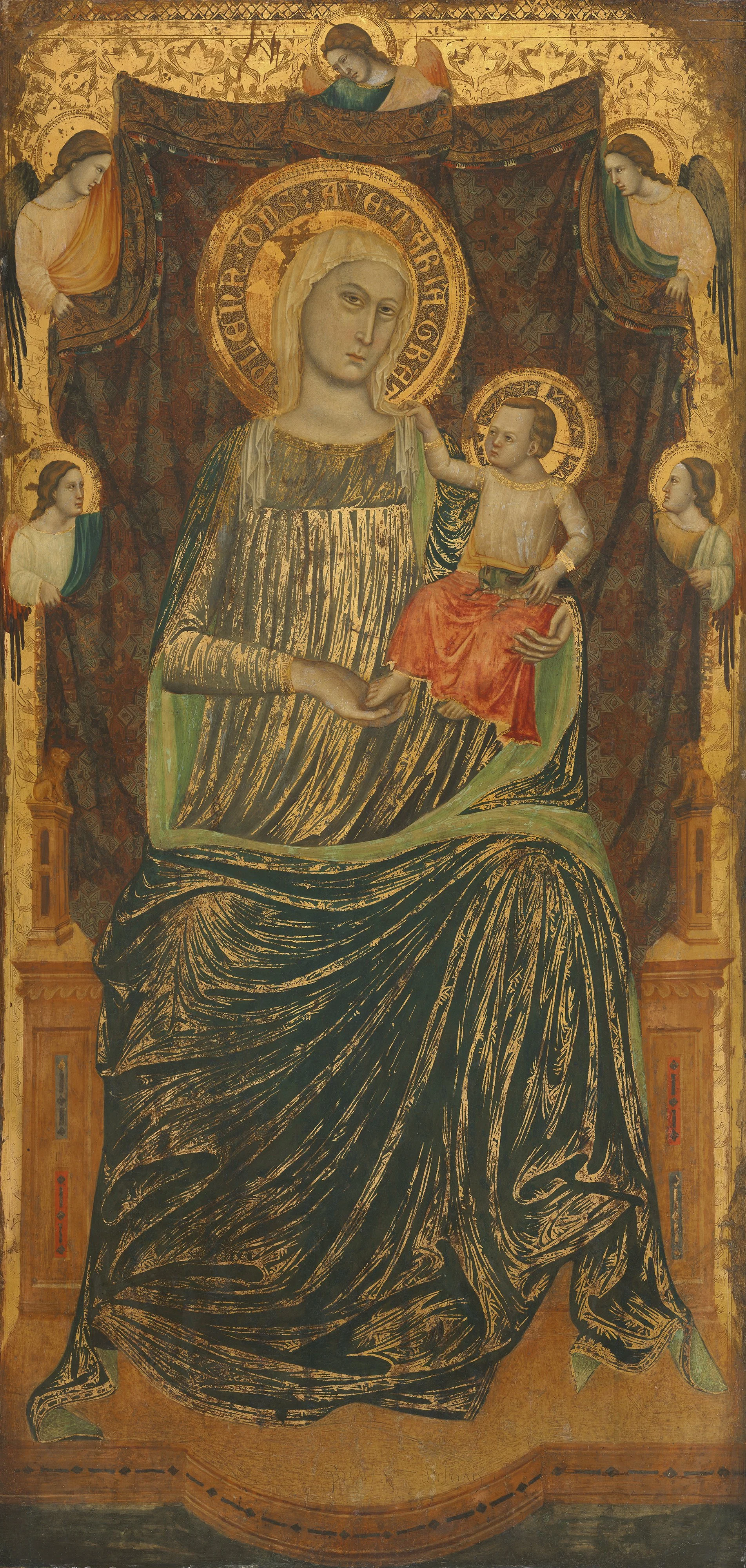
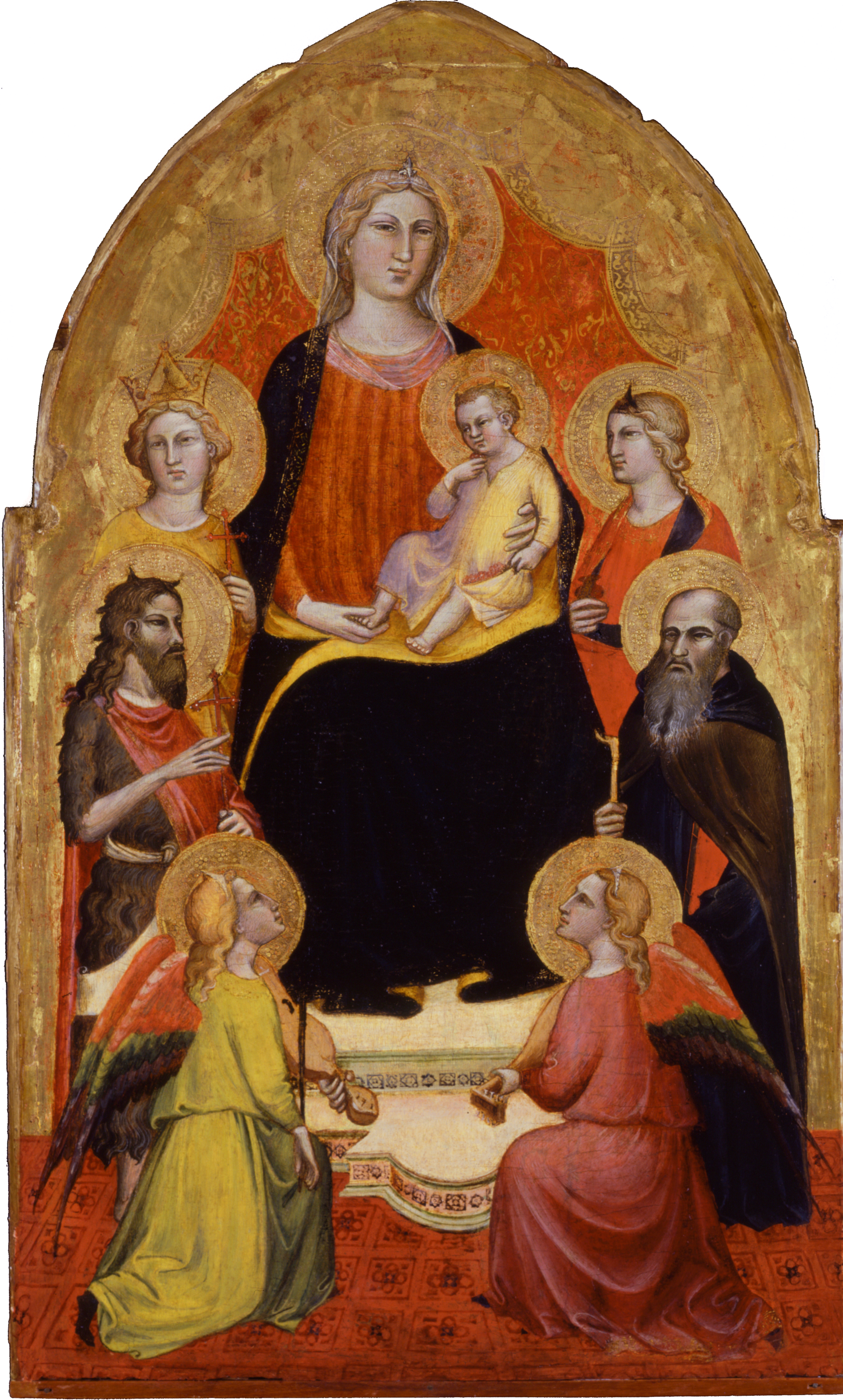
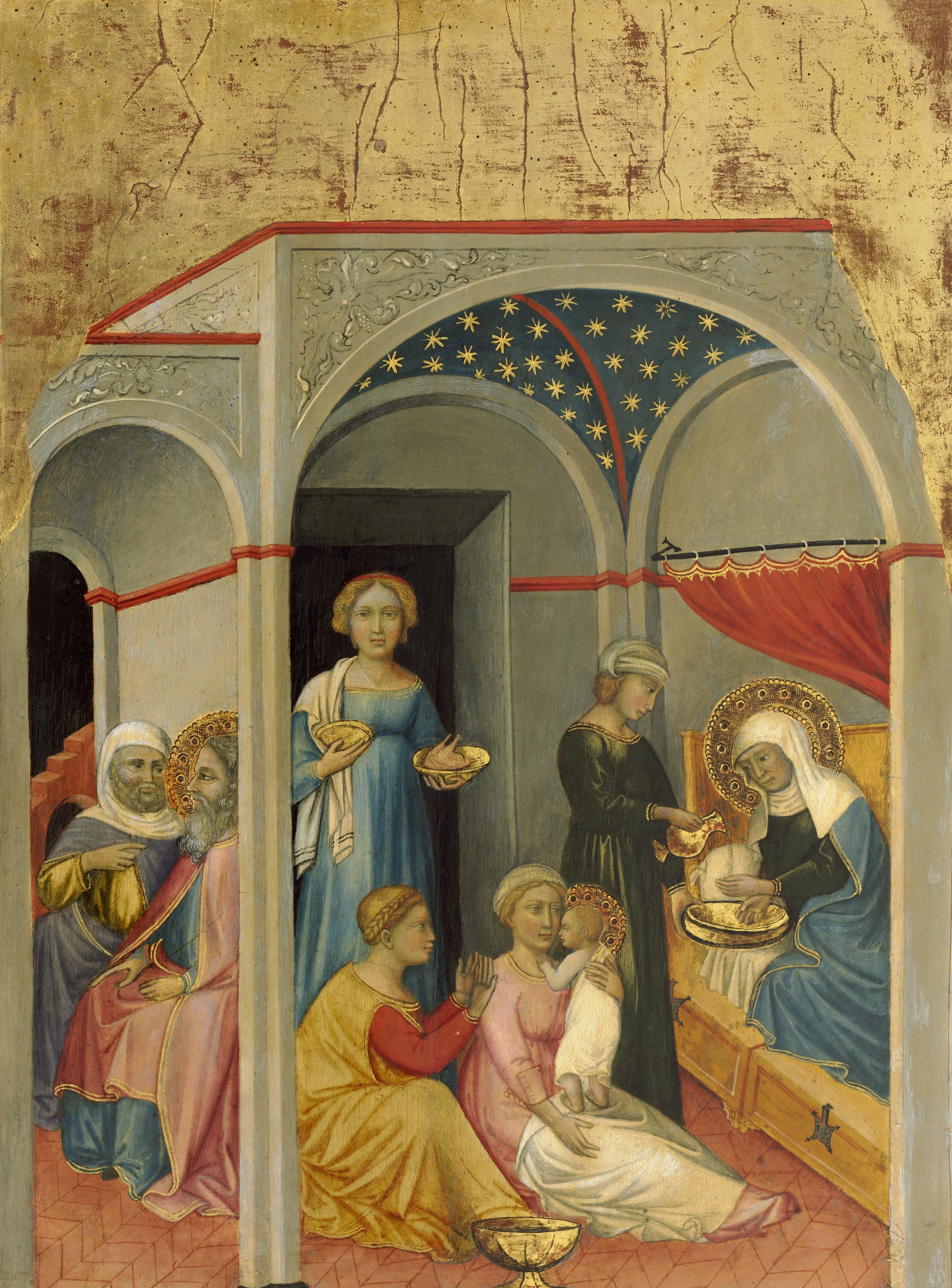
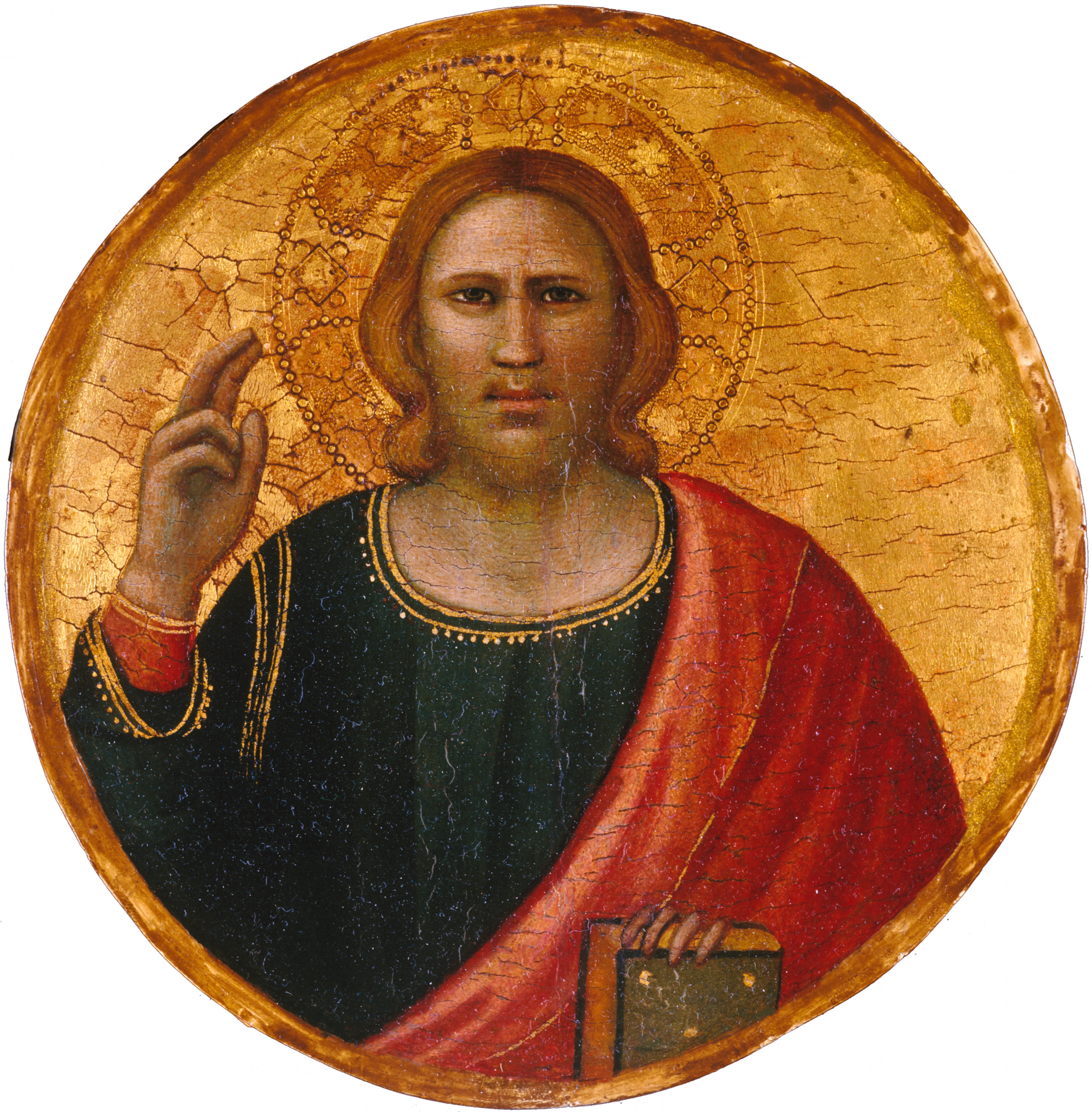
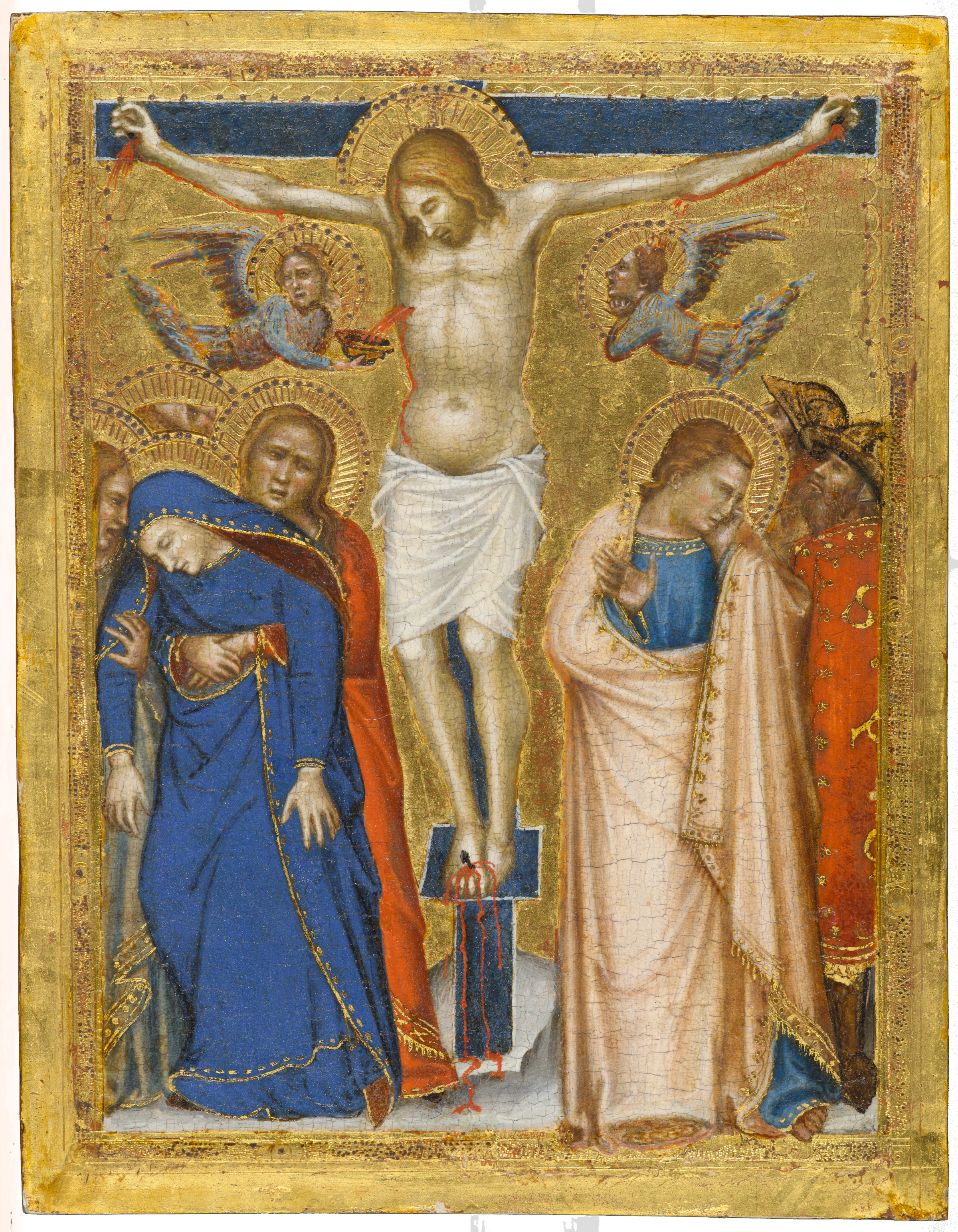
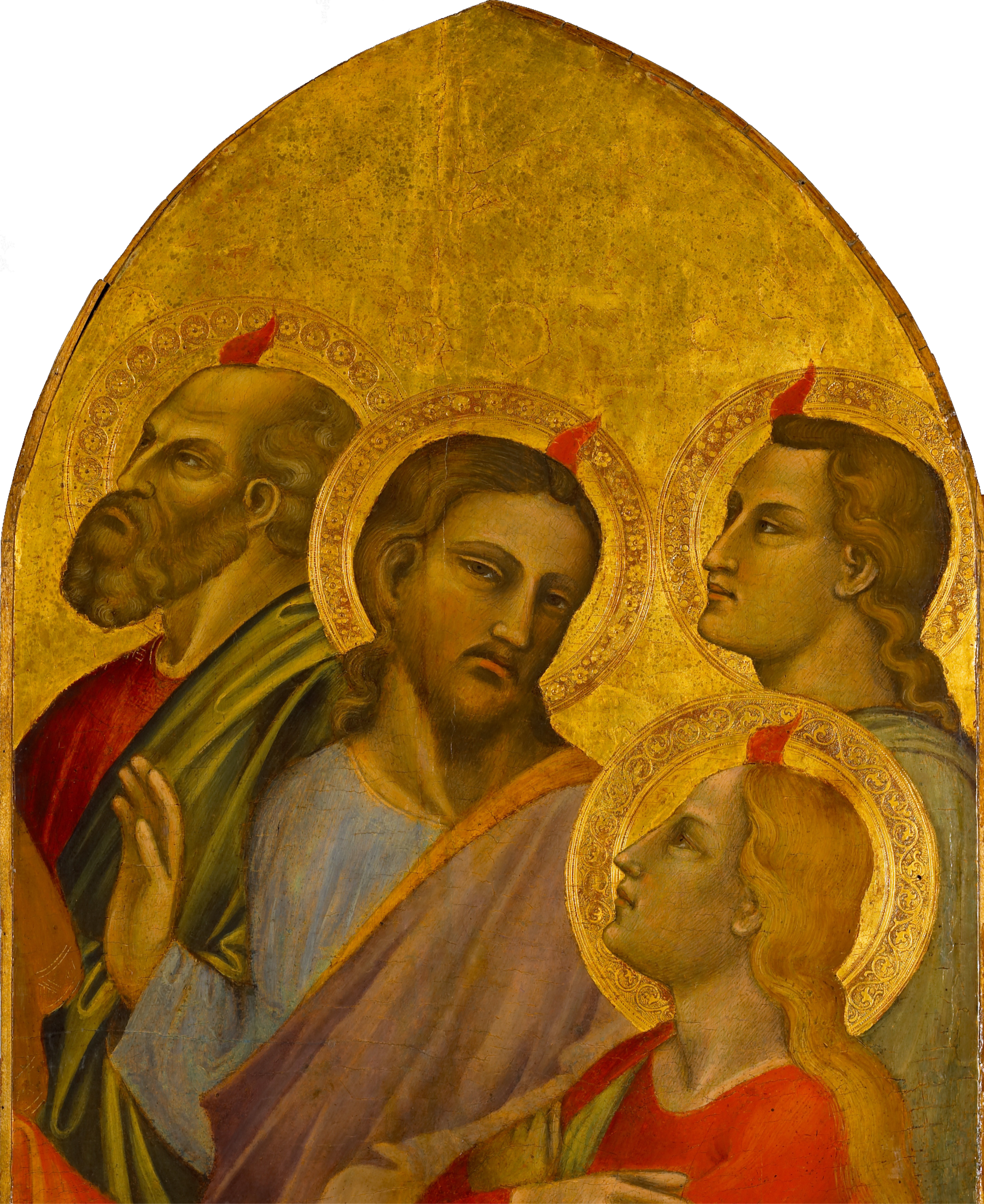
Photo credits
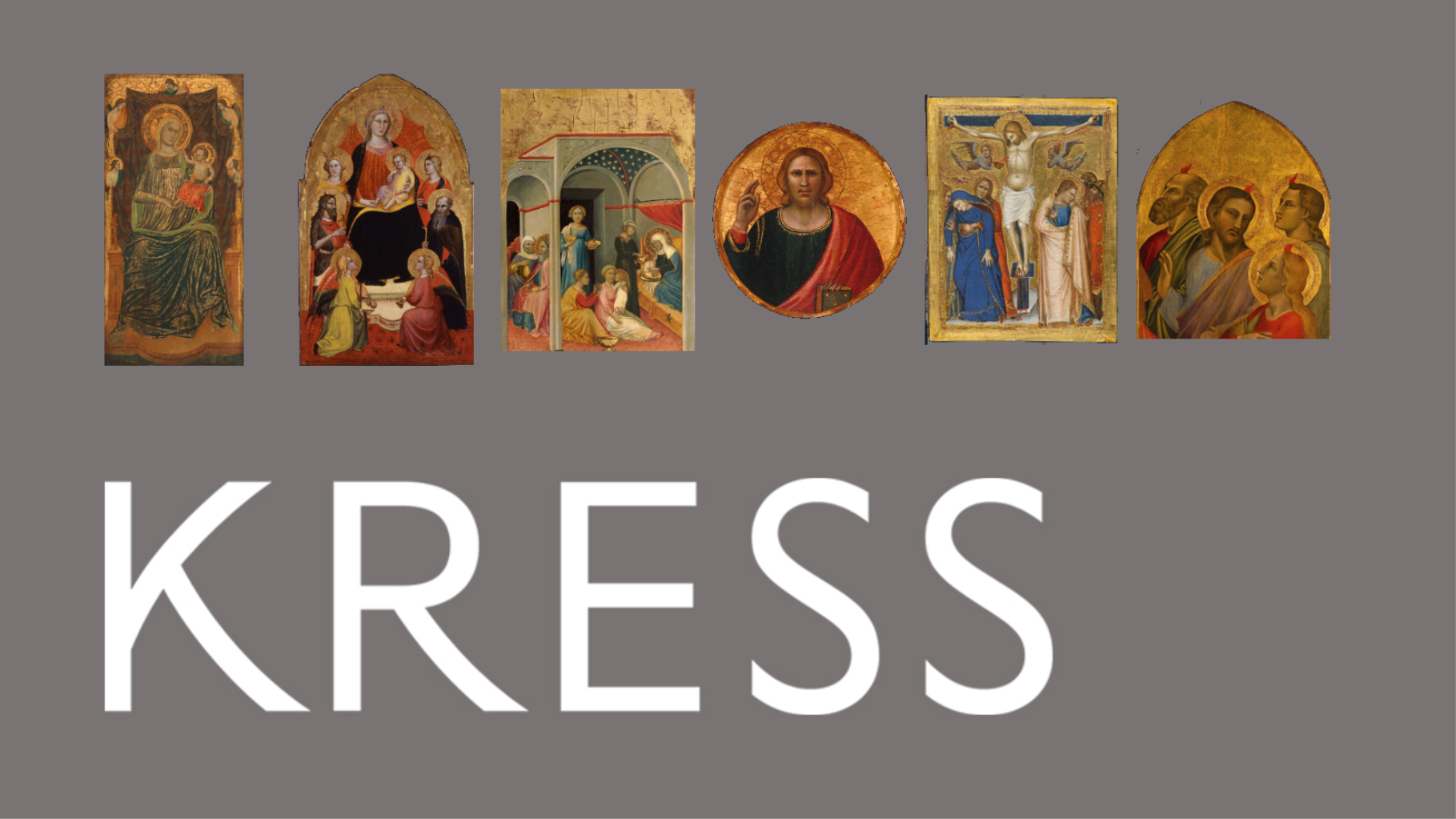
Giovanni Baronzio: Madonna and Child with Five Angels, c. 1335, Kress Collection, Wikimedia Commons (Public domain)
Spinello Aretino: Madonna and Child with Saints and Angels, c. 1346-1410/1411, Kress Collection, Samek Art Museum (Public domain)
Andrea di Bartolo: The Nativity of the Virgin, c. 1400/1405, Kress Collection, National Gallery of Art (Public domain)
Allegretto Nuzi: Christ Blessing, c. 1360, Kress Collection, Bowdoin College Museum of Art (Public domain)
Puccio Capanna: The Crucifixion, c. 1330, Kress Collection, North Carolina Museum of Art (Public domain)
Spinello Aretino: Three Apostles and Mary Magdalene, c. 1399 - 1401, Kress Collection, Allentown Art Museum (Public domain)
When the National Gallery of Art was established in Washington, D.C. in 1941, Kress answered the call to build a cultural bedrock for the nation, donating hundreds of his finest pieces and providing nearly three-quarters of the paintings on view for the museum's grand opening. Yet, the true genius of the Kress legacy lies in what happened next. Kress firmly believed that the people who had built his fortune—the communities in the mid-sized American towns where his stores thrived—deserved direct access to these treasures. He rejected the idea of a single, monolithic monument.
This conviction sparked what museum circles affectionately remember as "The Great Kress Giveaway." Throughout the 1950s and 1960s, the Samuel H. Kress Foundation systematically dispersed more than 3,000 works of art across the United States. Vast "core collections" were gifted to regional museums in cities like El Paso, Birmingham, and Seattle, instantly elevating local galleries into major cultural institutions. Dozens of universities received specialized study collections, ensuring that students and future conservators could study the craquelure and tooling of a 14th-century Florentine panel up close. By the time the dispersal was complete, Kress’s devotion to the Italian masters had been woven into the fabric of 90 institutions across 33 states, proving that a masterpiece doesn't need a metropolitan capital to shine—it just needs a community ready to look.
Further reading
Samuel H. Kress Foundation, New York - https://www.kressfoundation.org