Museo Nacional del Prado, Madrid, Spain 🇪🇸, May 26 to September 20, 2026
The Museo Nacional del Prado, in partnership with Fundación BBVA, is presenting "In the Italian Manner. Spain and the Mediterranean Gothic, 1320–1420" (26 May – 20 September 2026), an exhibition that explores how Italy profoundly shaped Spanish art long before the Renaissance — through the arrival of Italian artists like Gherardo Starnina, who travelled to Toledo and Valencia, and the import of works that brought new aesthetic, technical, and iconographic innovations to the Iberian kingdoms. Curated by Joan Molina Figueras, the show features over one hundred works spanning painting, sculpture, goldsmithing, illuminated manuscripts, embroidery, and silk textiles, by both Italian masters such as Ambrogio Lorenzetti and Barnaba da Modena and local artists like the Serra brothers and Ferrer Bassa, loaned from 56 institutions across Spain and abroad.
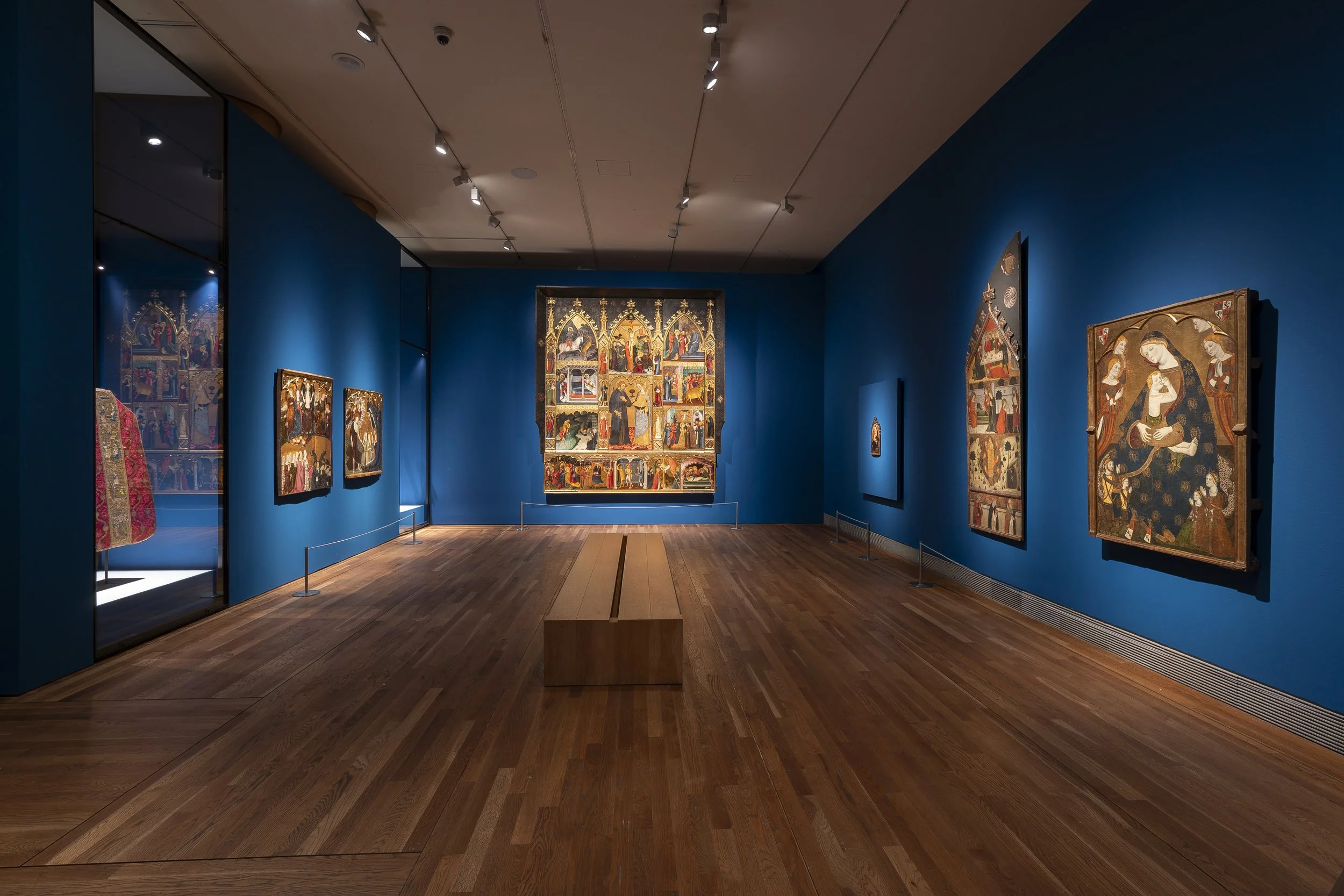
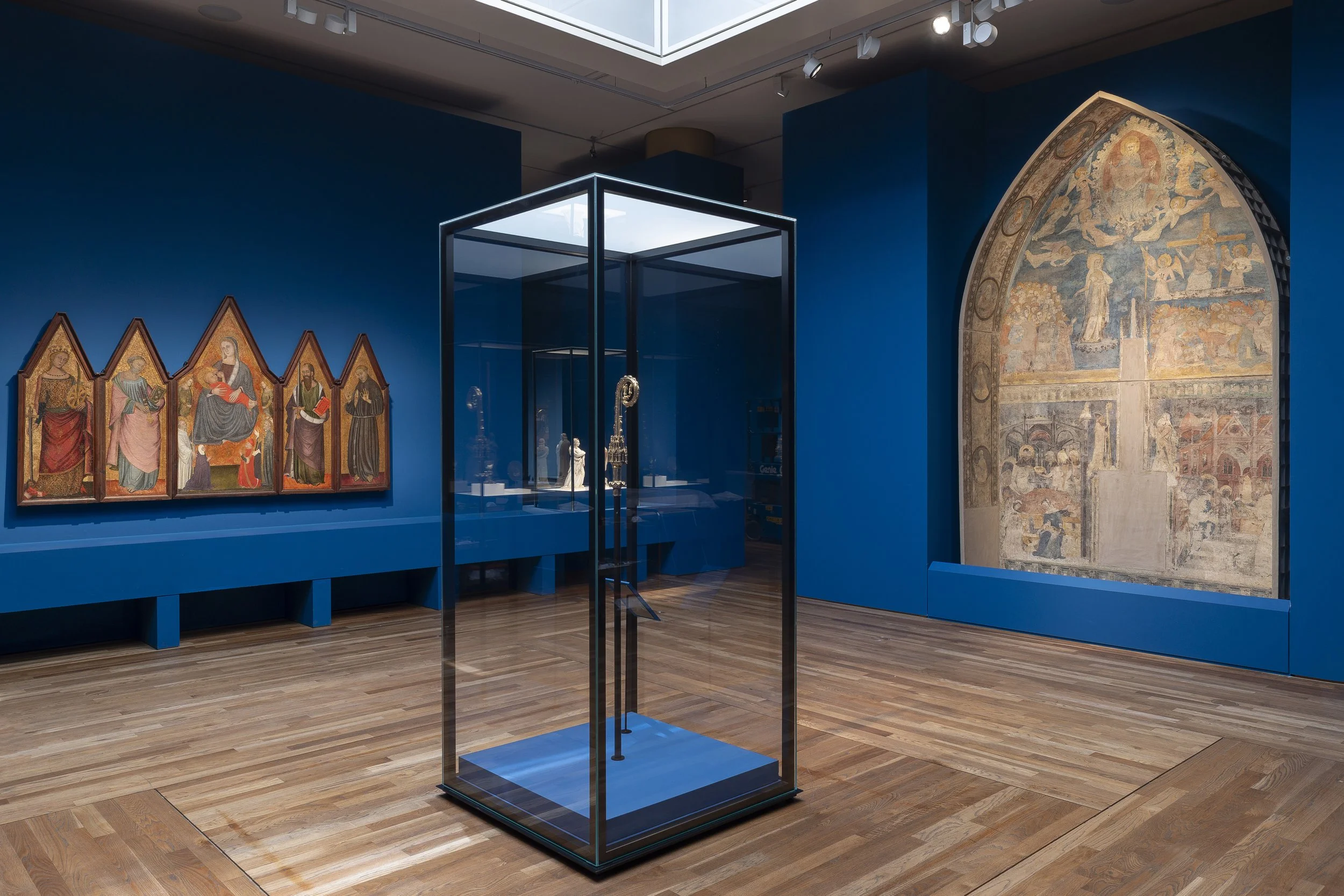
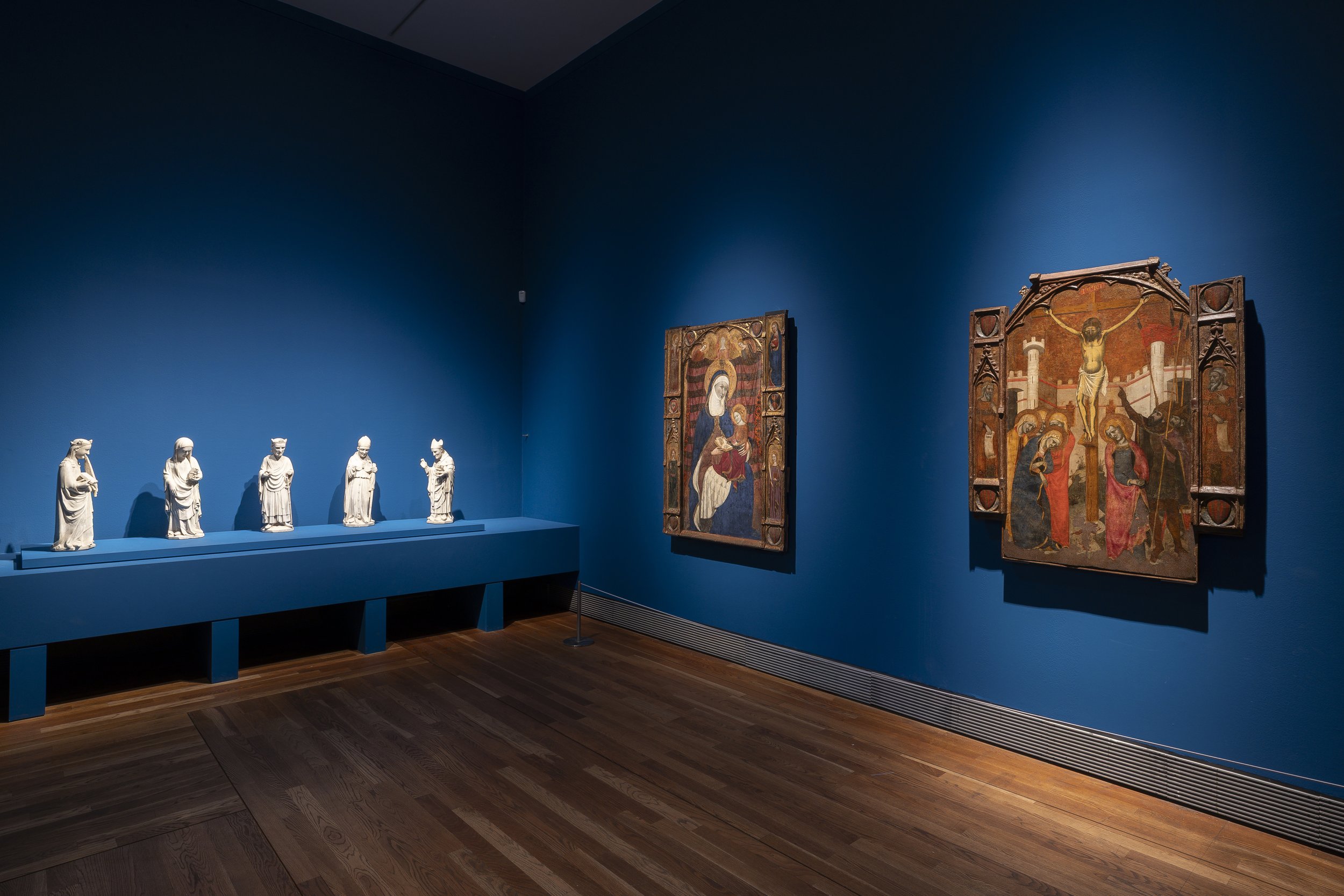
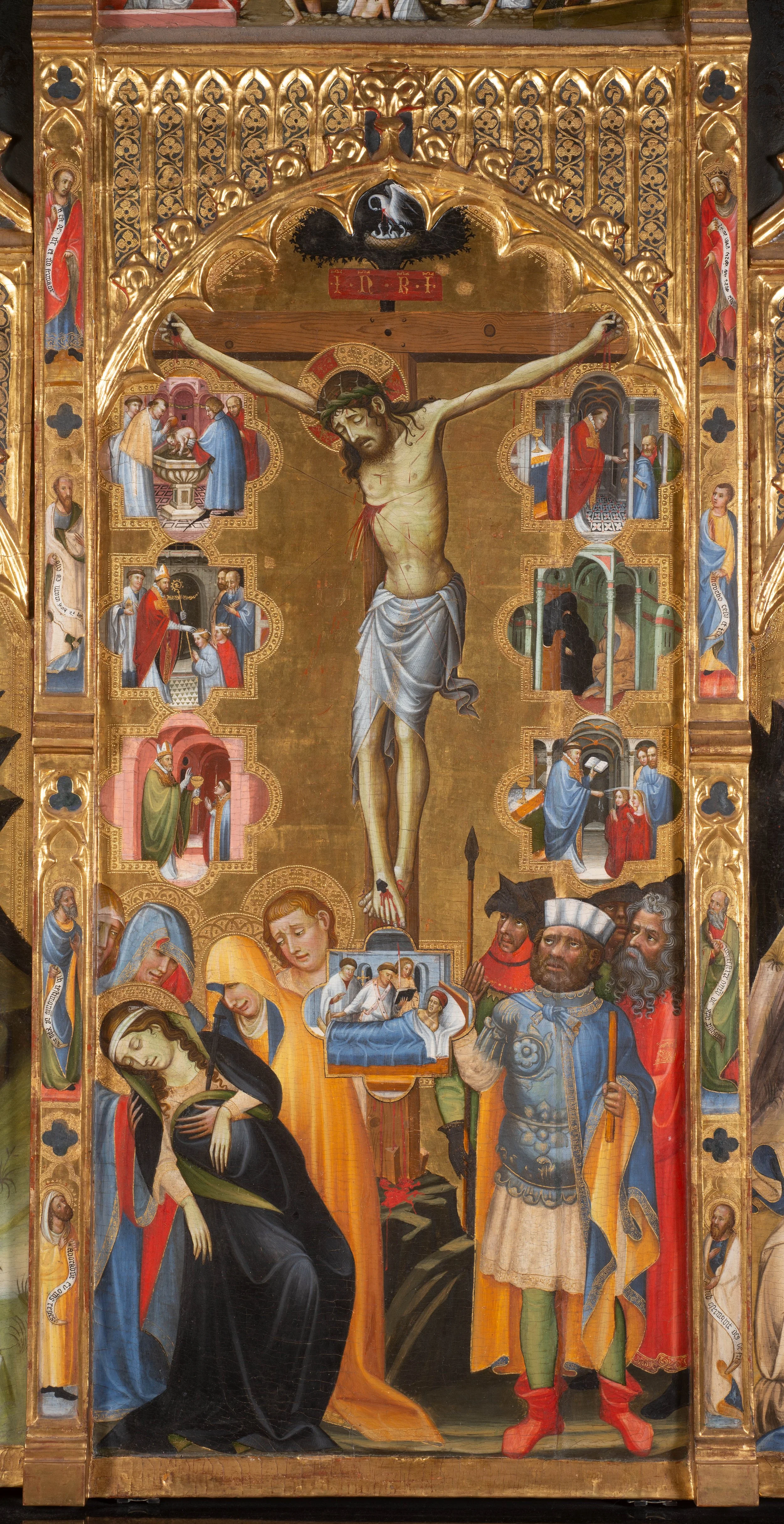
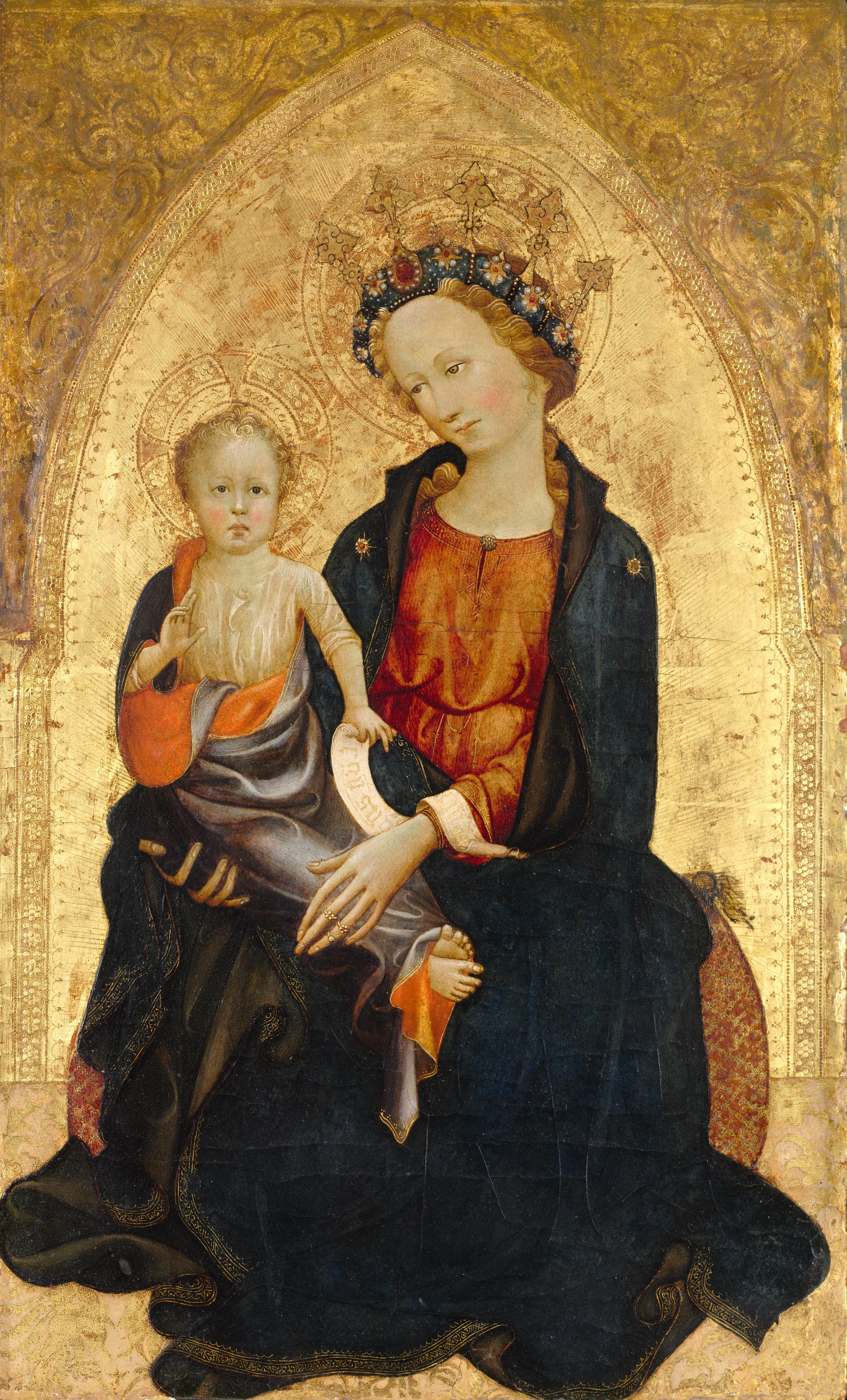
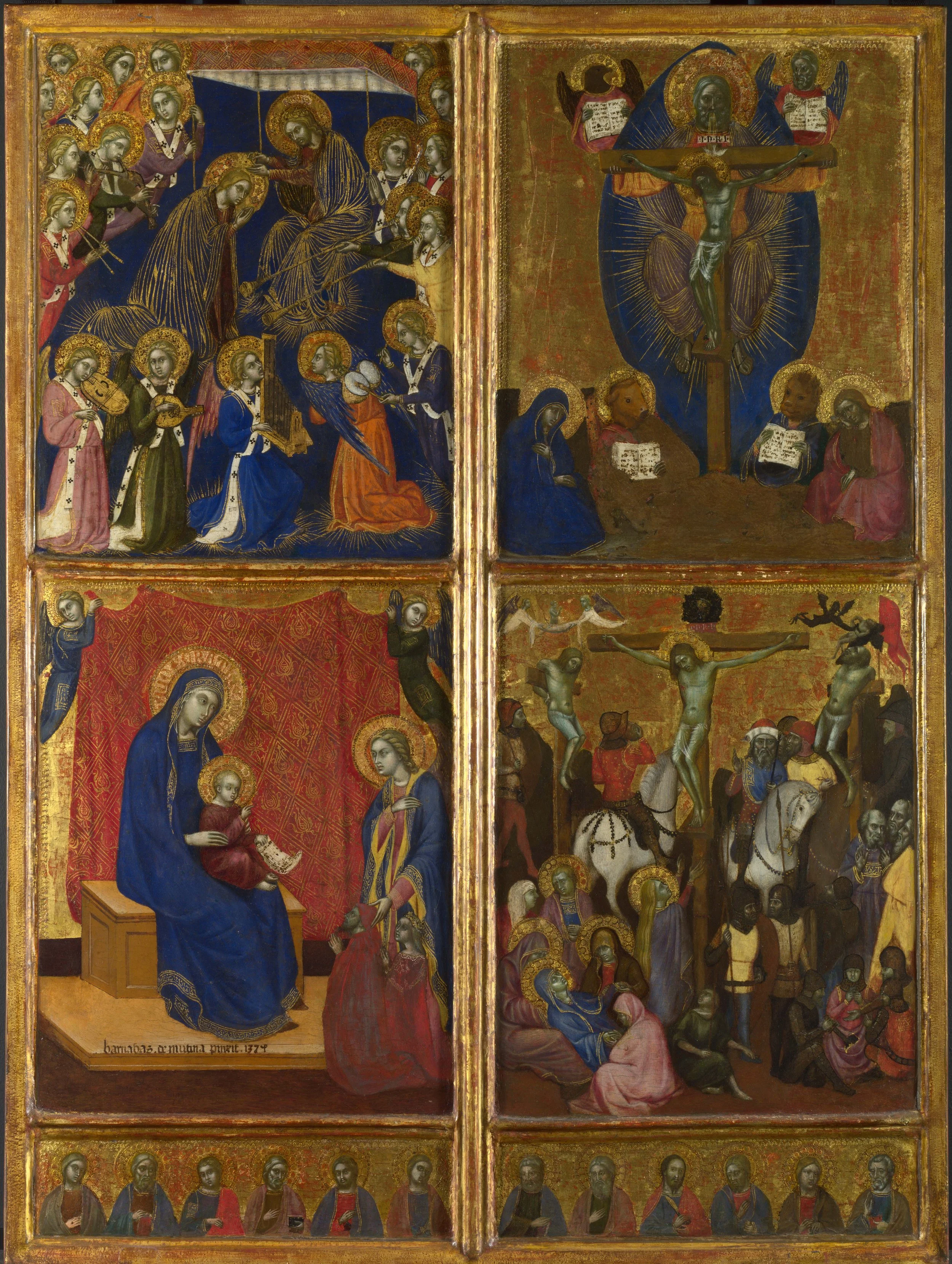
Photo credits
Image of the exhibition galleries “In the Italian manner”. Photo © Museo Nacional del Prado
Image of the exhibition galleries “In the Italian manner”. Photo © Museo Nacional del Prado
Image of the exhibition galleries “In the Italian manner”. Photo © Museo Nacional del Prado
Altarpiece of the Seven Sacraments, Gherardo Starnina, Tempera and gold leaf on panel, 249 × 189 cm, c. 1396–97, Valencia, ©Museu de Belles Arts, 2026
Madonna and Child, Gherardo Starnina, Tempera and gold leaf on panel, 60.4 × 41.4 cm, c. 1400, Cleveland, The Cleveland Museum of Art, Leonard C. Hanna, Jr. Fund, 1985.8
The Coronation of the Virgin; The Virgin and Child; The Trinity; The Crucifixion and The Twelve Apostles, Barnaba da Modena, Tempera and gold leaf on panel, 82 × 60.7 cm, 1374, London, The National Gallery, Presented by Rosalind, Countess of Carlisle, 1913