
Resources > Publications
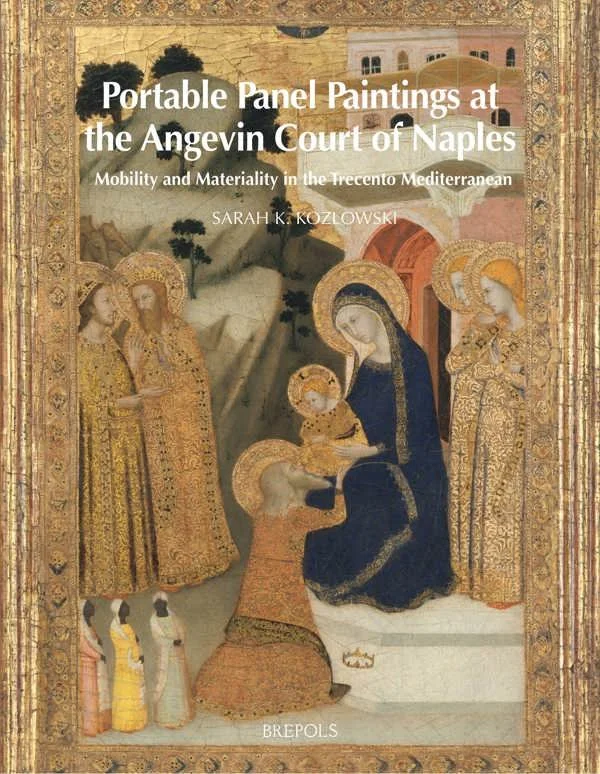
Portable Panel Paintings at the Angevin Court of Naples
Mobility and Materiality in the Trecento Mediterranean
by Sarah K. Kozlowski
Fondo Oro Magazine:
It is with a sense of geographic and intellectual expansion that I include Sarah K. Kozlowski’s Portable Panel Paintings at the Angevin Court of Naples in our selection of recommended publications. At Fondo Oro, our gaze often lingers on the great centers of Tuscany, yet this profound study reminds us that the brilliance of the Trecento gold ground radiated with equal intensity from the Angevin court in the south. Kozlowski’s work is a revelation regarding the "mobility" of the sacred image. These were not merely static icons, but itinerant objects of immense political and spiritual weight. By examining the materiality of these portable panels—how their gold surfaces and intricate craftsmanship interacted with the silks and precious metals of the Mediterranean trade—the author provides a fresh, tactile understanding of how art functioned as a bridge between dynasties and faiths.
For the collector and the historian alike, this book offers a rare glimpse into the "lived life" of the panel painting. It challenges us to see these works not just as museum pieces, but as active participants in the grand, shimmering theater of fourteenth-century Naples.
BREPOLS, 2022, 292 pages, Hardcover, ISBN: 9782503596952
Subjects
Medieval painting
Patronage and sponsorship
Artistic techniques and materials
Italian Peninsula (c. 500-1500)
This book explores the mobilities and materialities of panel painting at and beyond the Angevin court of Naples in the context of objects, materials, patrons, and painters on the move through the fourteenth-century world. It asks how panel paintings participated in and thematized patterns of circulation and exchange; how they extended the artistic and political geography of the court far beyond Naples itself; how their materialities intersected with other mediums from woven silk to precious metalwork to stone; and how painters’ formal and technical experimentation combined with painted panels’ real and imagined itineraries to create meaning.
The volume traces a series of painted panels through networks of patronage, production, gift giving, transport, and replication. It locates the making, movement, and meaning of these works in the overlapping contexts of Angevin dynastic and territorial ambitions, including the family’s stakes in the Holy Land; patterns of collecting and adapting authoritative icons; practices of royal female patronage; and painters’ engagement with the limits of the medium of panel painting itself. Each chapter weaves together sustained analysis of paintings’ pictorial and material structures, close reading of primary sources, and questions of art’s materialities and mobilities. Moving between single objects and larger patterns, between the local and the global, this study presents new research on individual works even as it reframes trecento art in the broader context of artistic circulation, exchange, and transformation across the late medieval and early Renaissance world.