
Resources > Publications
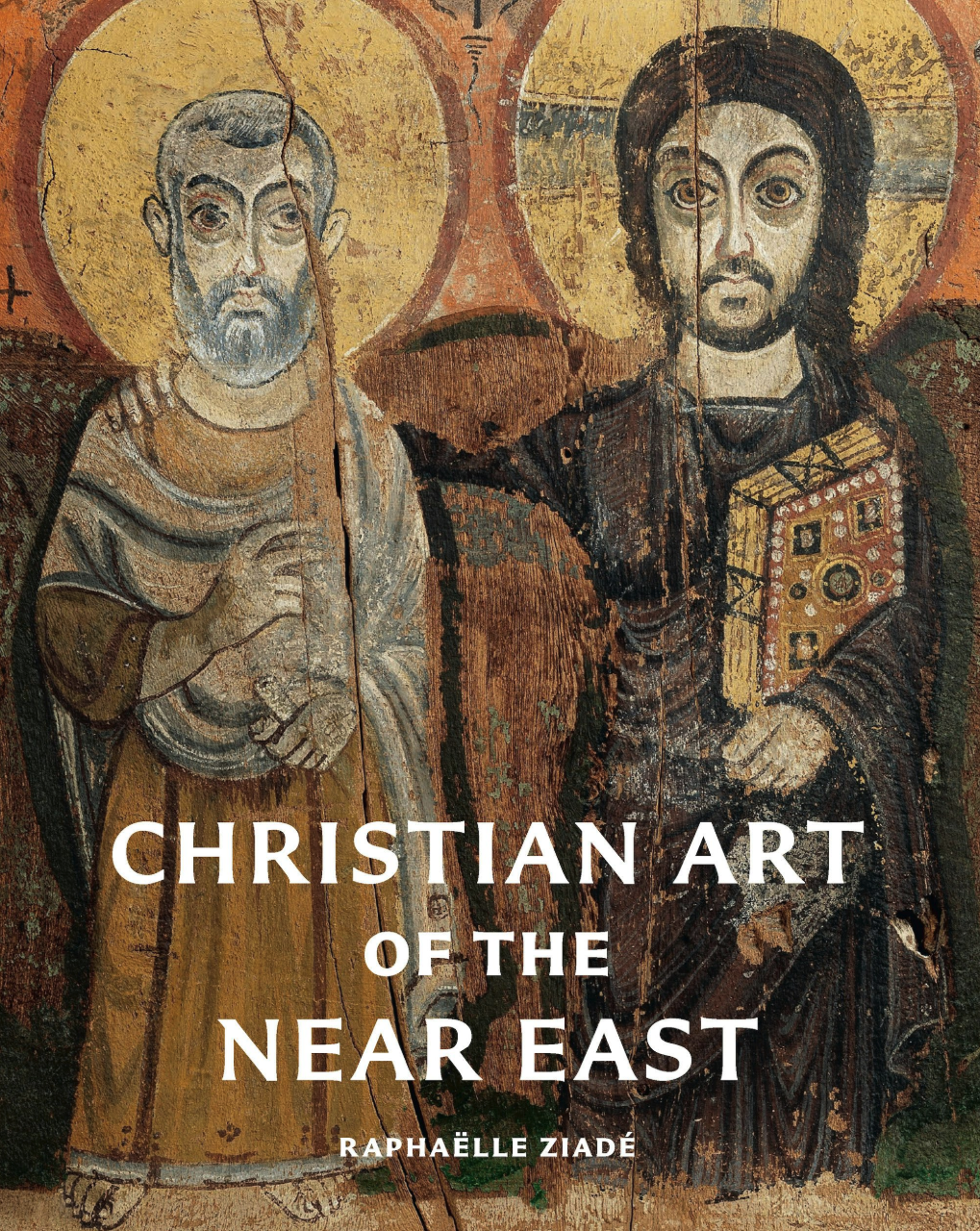
Christian Art of the Near East
Edited by Raphaëlle Ziadé
Abbeville Press, Published: Oct. 2026, 592 pages, Hardback, ISBN: 9780789215284
A monumental and unprecedented survey of Christian art in the original homeland of the faith, from the dawn of the church to the fall of the Ottoman empire
Brings together the artistic accomplishments of the diverse churches of present-day Iraq, southern Turkey, Syria, Lebanon, Israel, Palestine, Jordan, and Egypt
Hundreds of spectacular illustrations: architecture, frescoes, mosaics, wood and ivory carvings, metalwork, illuminated manuscripts, icons, and textiles
Author Raphaëlle Ziadé is a leading authority on the subject
A timely volume, as certain Christian communities of the Near East have recently faced destruction or exile
Fondo Oro Magazine:
We highly recommend Raphaëlle Ziadé’s upcoming volume, Christian Art of the Near East (Abbeville Press, 2026). Spanning two millennia, this beautifully illustrated book offers an unprecedented look at the Christian artistic heritage where the faith first took root. From spiritually profound icons to luminous manuscripts, Ziadé’s work captures the masterful use of light and sacred symbolism that defines Eastern Christian traditions. For anyone who treasures the aesthetic and history of this art, this definitive work is an essential addition to your book collection.
The Direct Line to Italian Gold-Ground Art
For lovers of the Italian gold-ground tradition, this book is a revelation. It traces the exact artistic lineage that made the Italian Trecento possible:
The Eastern Origins: Antiquity – 6th Century.
Near Eastern and Byzantine masters first pioneered the use of gold-leaf backgrounds in icons and mosaics, using the reflective metal to represent the uncreated, heavenly light of God.
The Venetian and Sicilian Gateways: 11th – 12th Century.
Through trade and the movement of artists, these Eastern gold mosaic techniques were imported directly into Italy via hubs like Venice, Ravenna, and Norman Sicily.
The Birth of the Italian Fondo Oro: 13th – 14th Century.
Italian masters adapted these exact Eastern iconographic formulas, transforming the flat, sacred gold fields of the Near East into the luminous panel paintings of the early Renaissance.
An unprecedented history of Christian art—spanning two millennia—in the lands where the religion originally took root and spread. This splendidly illustrated volume is the first to survey the artistic achievement of the Christian communities of the Near East, living in present-day Iraq, southern Turkey, Syria, Lebanon, Israel, Palestine, Jordan, and Egypt. Although these communities belong to diverse churches, they share elements of a common history: they date back to the earliest days of Christianity, they adopted the Arabic language in the ninth and tenth centuries while preserving their original language (Syrian, Greek, Coptic) in their liturgy, they had the status of dhimmis under the Arabs and the Ottomans, they have often served as intermediaries between East and West, and in recent years they have often faced destruction or exile. Raphaëlle Ziadé, a noted authority in the field, brings together the holding of churches, monasteries, museums, and private collections, as well as the findings of archaeology, to present an artistic panorama stretching from the birth of Christianity to the end of the Ottoman empire. Her rigorously researched account—encompassing architecture, frescoes, mosaics, wood and ivory carvings, metalwork, illuminated manuscripts, icons, and textiles—breaks down denominational, political, and geographic barriers to reveal the civilisational dimension of Christian art in the Near East.